Trailer Hitch Repair vs. Replacement: What to Expect at a Trailer Repair Shop
Knowing when to repair a trailer hitch versus replace it entirely is one of the most practical decisions any trailer owner or fleet operator will face. This post breaks down the key signs of hitch wear, how to tell ball mount damage from receiver damage, how weight class factors into the decision, when welding is a viable fix, and what to expect when you bring your trailer in for professional service. Taking the wrong path on this choice can put your load, your vehicle, and others on the road at real risk.
How to Spot Hitch Wear Before It Becomes a Safety Problem
Hitch wear tends to build up quietly. Most drivers don't notice a problem until something rattles, shakes, or fails. Catching issues early can save money and prevent a dangerous situation. Scheduling a routine inspection at a trailer repair shop is one of the most reliable ways to stay ahead of problems before they become costly.
Common wear indicators to look for include:
- Visible rust or corrosion along the receiver tube or mounting points.
- Excessive play or wobble when the ball mount is inserted.
- Cracks or deformation around welds on the hitch frame.
- Bent or elongated pin holes that allow too much movement.
- Stress fractures near the receiver opening, especially on high-mileage equipment.
Any of these signs should prompt a closer inspection. A qualified technician can assess whether what you're seeing is surface-level or structural.
Ball Mount Damage vs. Receiver Damage -- What's the Difference?
These are two separate components, and the repair path for each can be very different. Understanding which part is damaged helps you ask the right questions when you bring your trailer in for service.
Ball Mount Damage
The ball mount is the removable insert that holds the hitch ball. Because it takes direct stress from coupling and load shifts, it can bend, crack, or wear out faster than the receiver. In many cases, a damaged ball mount can simply be replaced without any work on the receiver itself. A trailer repair shop can confirm whether this is a straightforward swap or part of a larger issue worth addressing.
Receiver Tube and Frame Damage
The receiver tube is welded or bolted to the vehicle or trailer frame. Damage here is more serious. A bent or cracked receiver can compromise the structural integrity of the entire tow setup. If the mounting points are cracked or the receiver tube is deformed, a professional evaluation at a trailer repair shop is critical before the trailer goes back on the road.
Why Weight Class Matters When Choosing Repair or Replacement
Hitch weight ratings exist for a reason. Using a hitch that can't handle the load is a safety failure waiting to happen.
In North America, hitch classes are defined by the SAE. Class I handles up to 2,000 lbs, Class II up to 3,500 lbs, Class III up to 5,000 lbs, and Class IV up to 10,000 lbs. If your towing needs have grown since you first installed your hitch, a repair to the existing unit may not be enough. Upgrading to a higher-rated receiver may be the smarter long-term move.
A good rule of thumb: if the damage occurred because the hitch was being used near or beyond its rated capacity, replacing it with the correct weight class is often the safer and more cost-effective answer. An experienced technician can help you determine which weight class your operation actually requires.
When Is Welding a Viable Repair Option?
Welding can be a legitimate repair in some situations, but it is not always the right call. The condition of the metal, the location of the damage, and the quality of the weld all matter.
Welding may be appropriate when:
- The damage is isolated to a small crack in a structurally sound area.
- The base metal has not reached the end of its fatigue life.
- A qualified technician with the right equipment performs the work.
Welding is generally not the right answer when the receiver tube is severely bent, the metal shows widespread fatigue cracking, or the damage is at the primary mounting points. The heat-affected zone is almost always the weakest part of a weld, and metal stressed beyond its yield limit is where further failure is most likely. In those cases, replacement is the safer path. Hitch welding is a safety-critical repair that requires real expertise and proper equipment. A reputable trailer repair shop will have the tools and trained technicians to evaluate whether welding is appropriate or replacement is the only responsible option. If you are unsure, consult a professional before attempting any weld repair.
What to Expect at a Trailer Repair Shop in Indianapolis
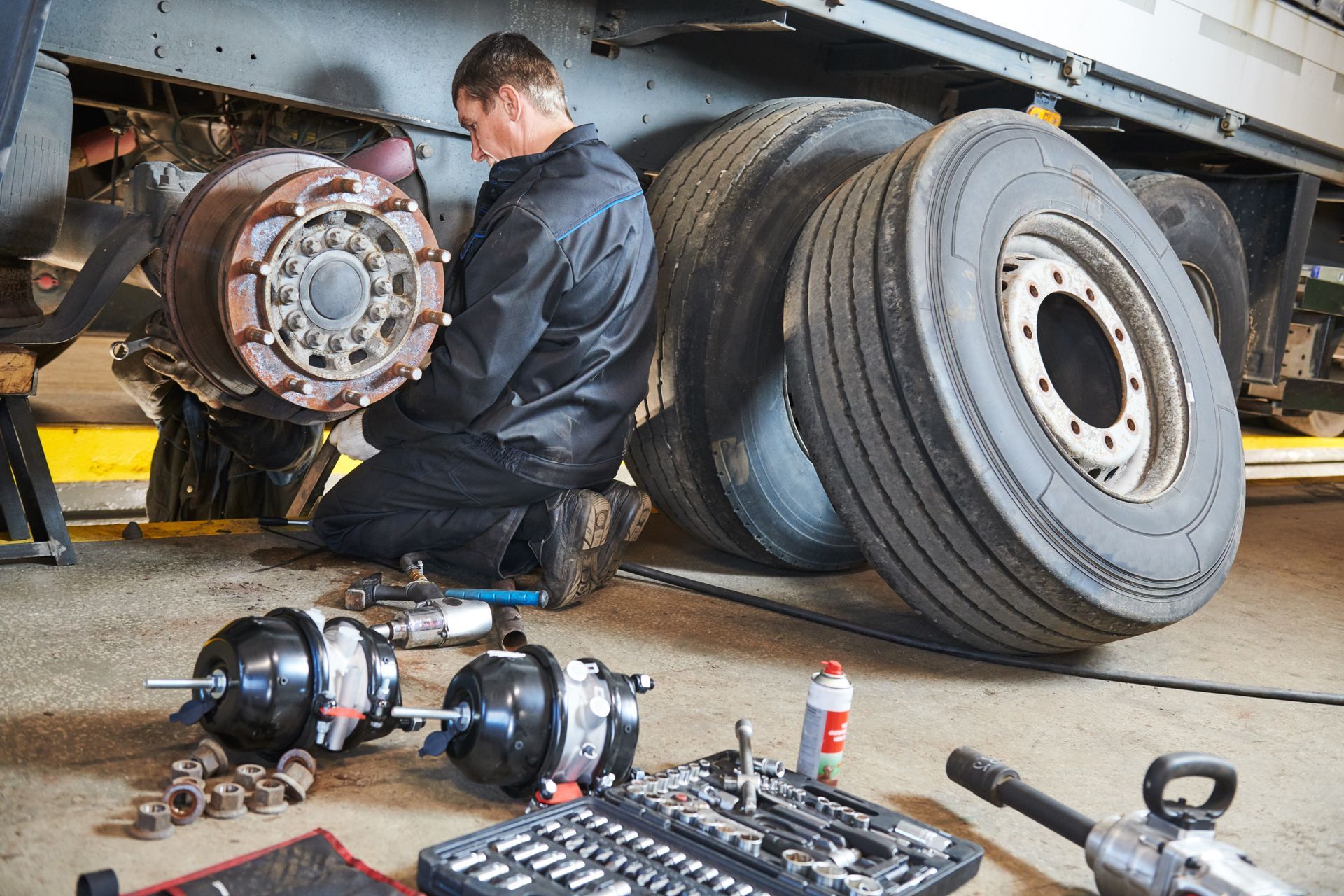
Bringing your equipment to a trailer repair shop in Indianapolis, IN, means working with technicians who can inspect both the hitch and the broader towing system. A thorough evaluation hardware can be safely repaired or whether replacement gives you more confidence on the road.
For trailer owners in the Indianapolis area who use their equipment for commercial hauling, fleet work, or regular heavy loads, getting this assessment done promptly can prevent much larger problems down the road. You can learn more about available hitch services on the trailer hitch repairs page or reach out directly to schedule an inspection.
Trust Bond Trailer Service With Your Hitch Repair Decision
At Bond Trailer Service in Indianapolis, IN, we have been serving trailer owners, fleet operators, and commercial haulers for over three decades. As a second-generation, family-owned trailer repair shop, the team brings hands-on experience to every hitch inspection and repair evaluation. Whether your situation calls for a simple ball mount swap or a closer look at receiver integrity, we provide honest assessments backed by real workmanship.
Call (317) 788-9405 during business hours Monday through Friday, or contact our team online to get your hitch looked at by a professional who will tell you exactly what your equipment needs.